Our work





Who We Are
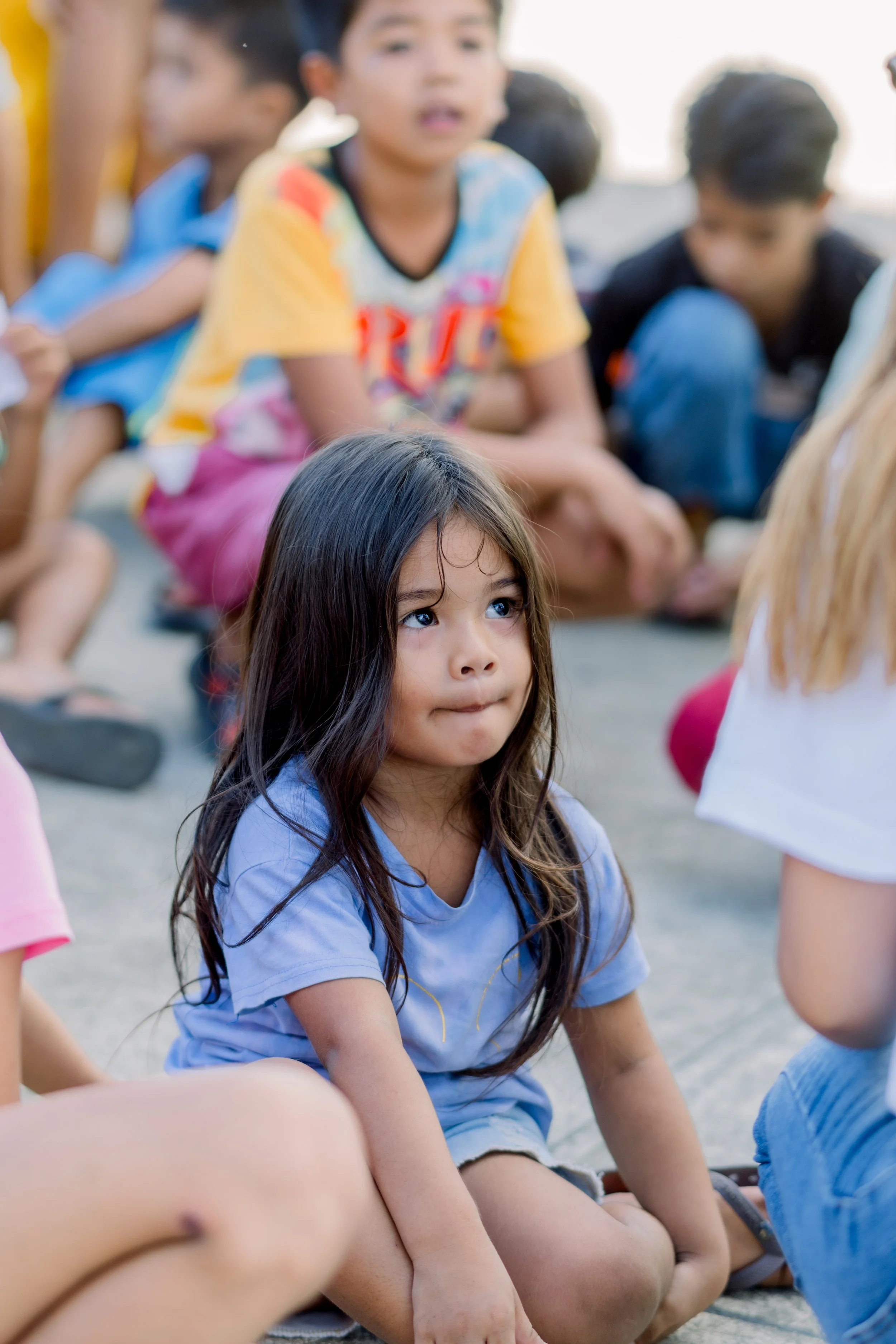
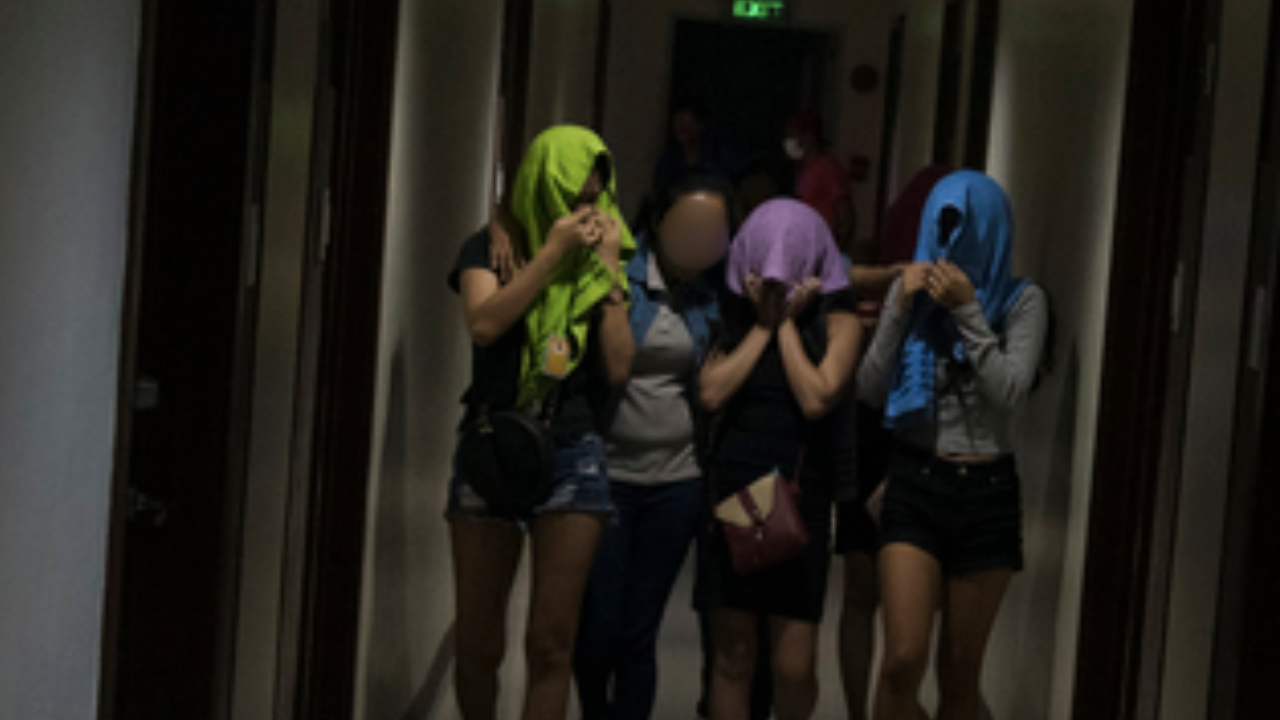
Operation Zian is a Christian humanitarian organisation committed to preventing the exploitation and trafficking of women and children by addressing vulnerability before it becomes a crisis. We believe that prevention is one of the most effective ways to combat exploitation. Rather than waiting until harm has already occurred, we seek to strengthen individuals, families, and communities so that exploitation becomes far less likely.
Our work is built on three core pillars:
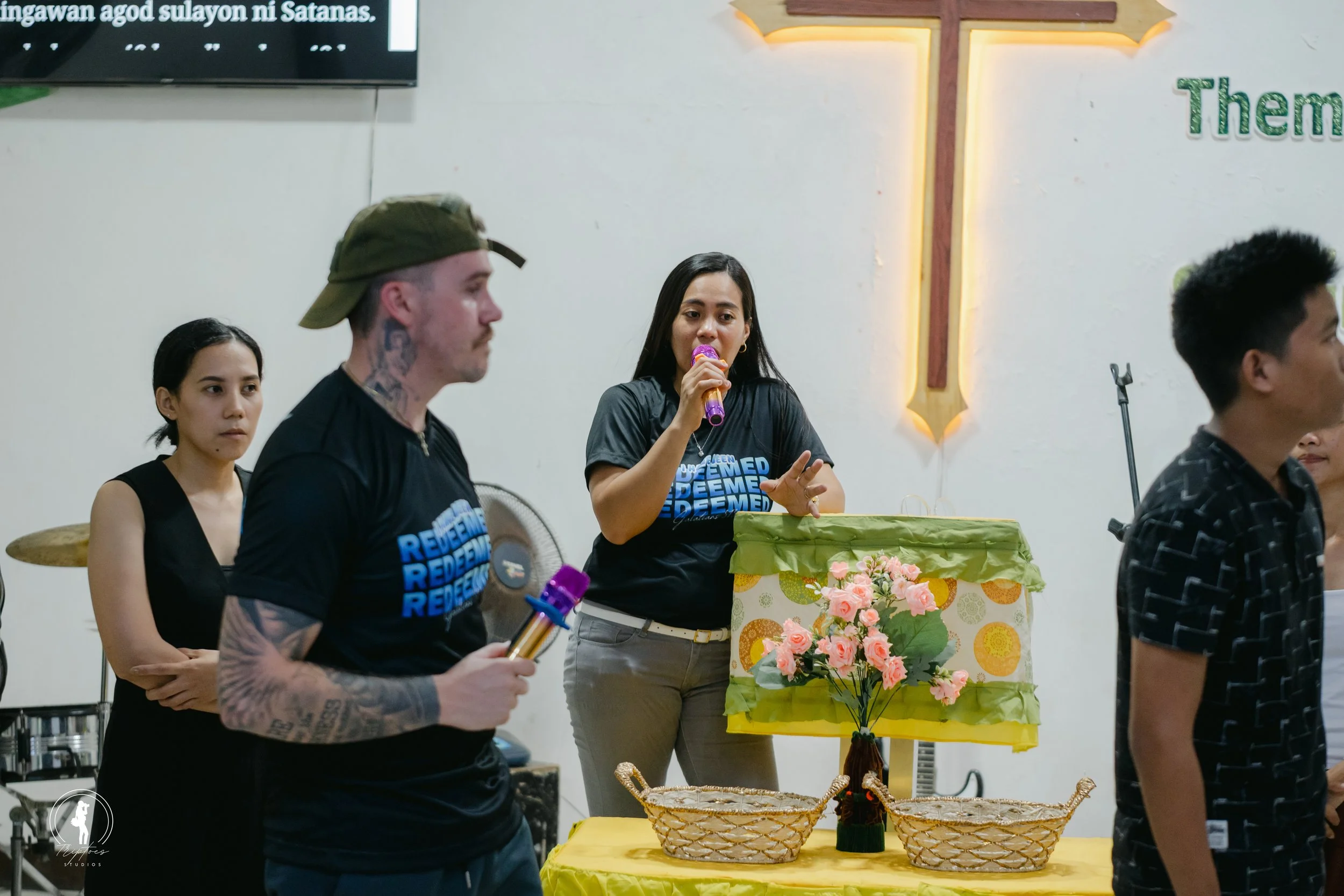
Faith – We believe lasting transformation begins with the hope of the Gospel. We partner with local churches and Christian leaders to share the love of Christ, disciple believers, and strengthen communities spiritually.
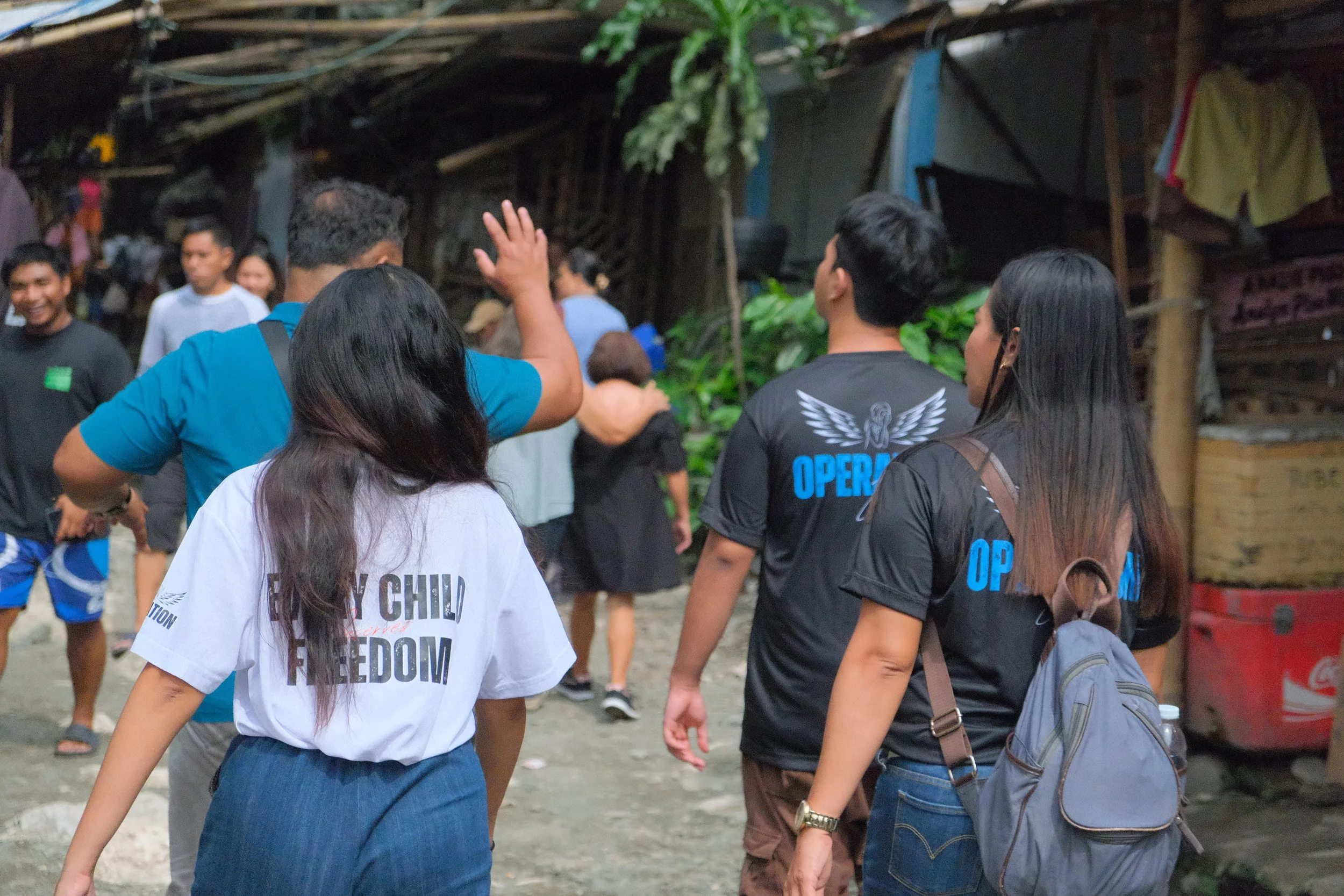
Protection – We work to identify vulnerable children and families, connect them with trusted local support networks, and promote safeguarding practices that help prevent abuse, trafficking, and exploitation.
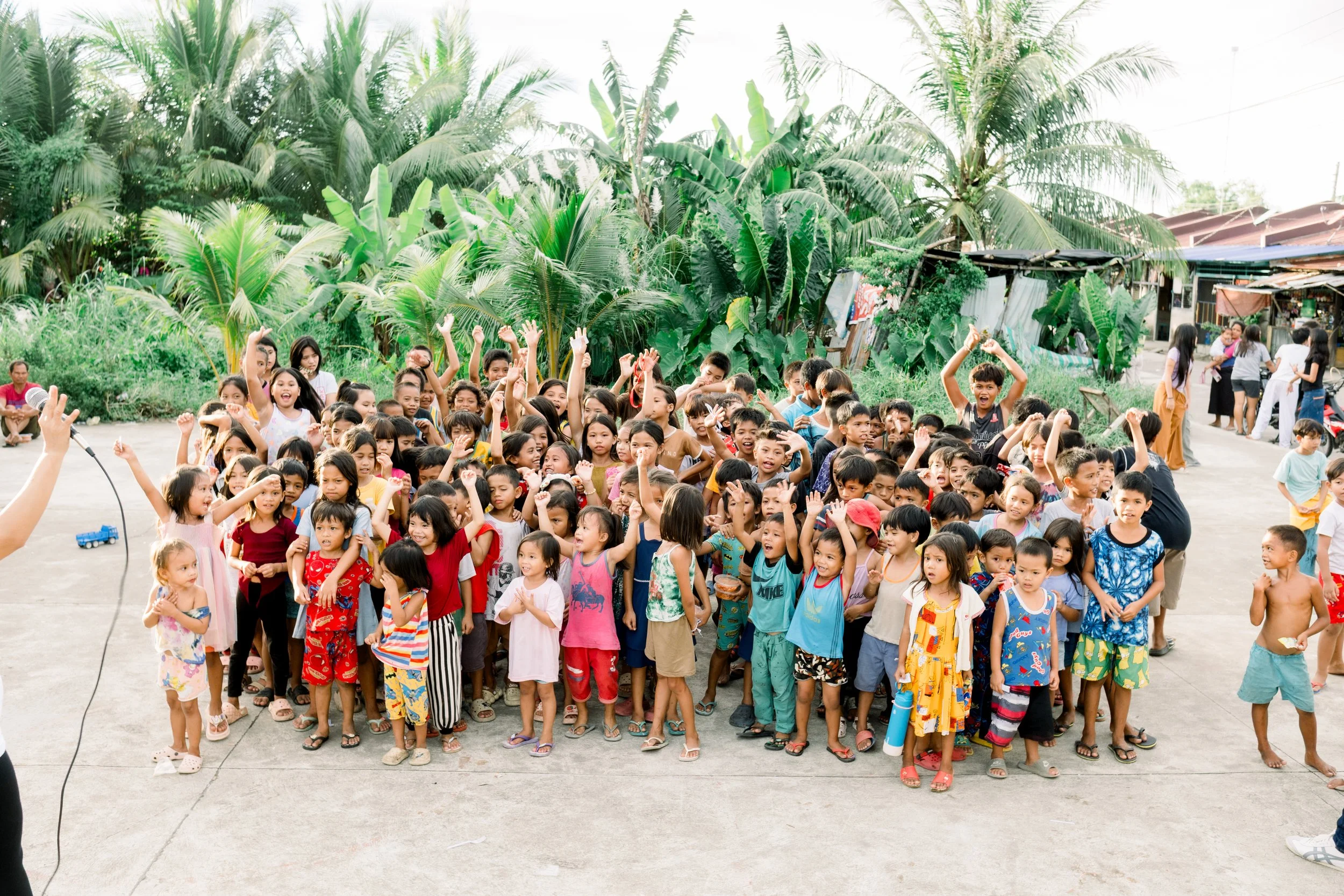
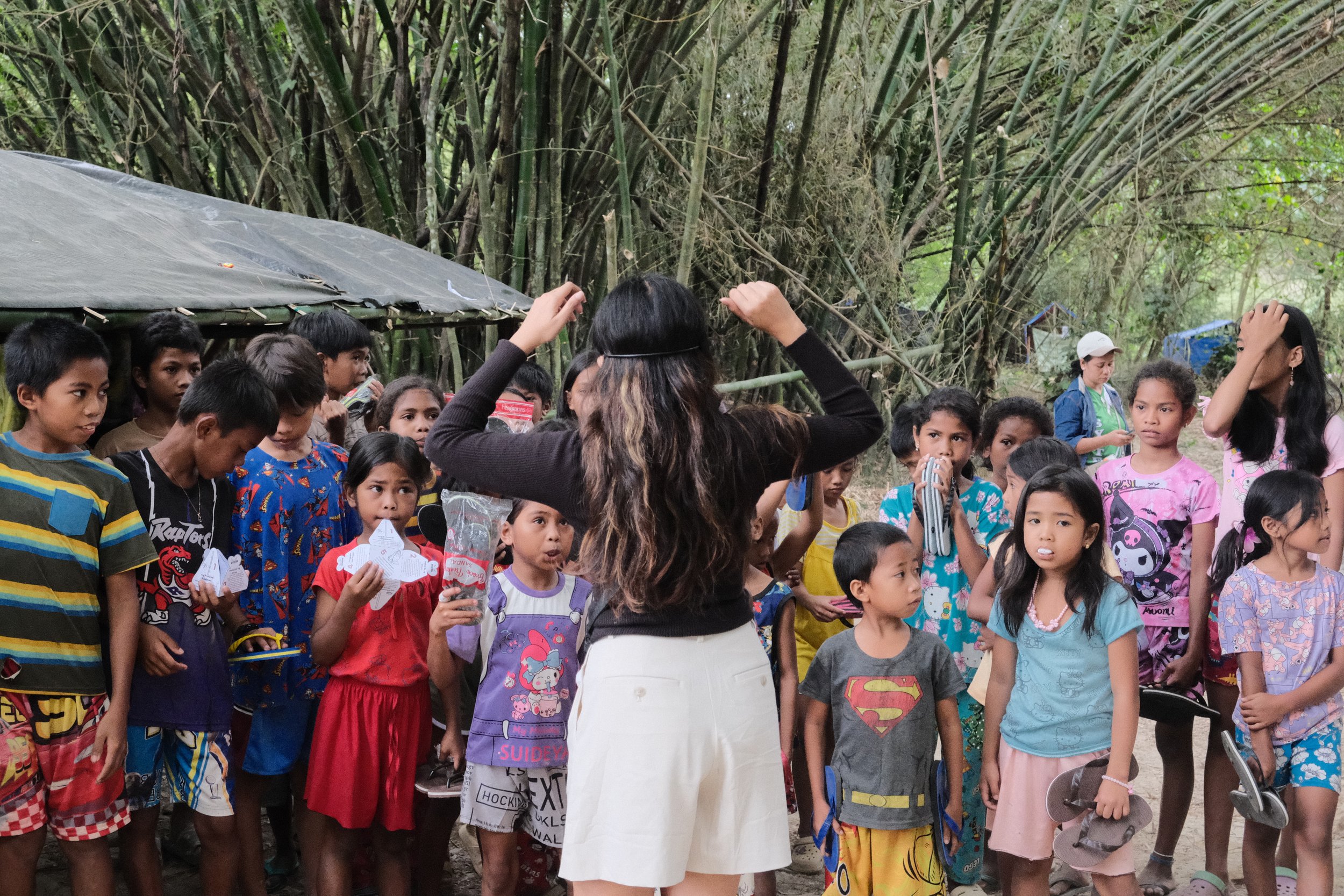
Practical Support – We provide practical assistance through initiatives such as feeding programmes, community outreach, and partnerships with local ministries. By helping meet immediate needs and building long-term relationships, we aim to reduce the circumstances that often leave people vulnerable to exploitation.
churches are empowered, and the Gospel transforms lives.
House of prayer
We are currently working towards supporting a House of Prayer in an island city in the Philippines. This House of Prayer is more than just a church building—it is a place of refuge. Open 24 hours a day, seven days a week, it provides a safe environment where anyone can come to pray, seek counsel, find community, and spend time with God.
While a House of Prayer may seem like a simple initiative, places like these can play a significant role in preventing exploitation. Vulnerability often grows out of isolation, hopelessness, poverty, and the absence of trusted relationships. When people have nowhere to turn, they become more susceptible to traffickers and others who prey on desperation.
A House of Prayer creates a different pathway. It offers people a place where they are known, valued, and supported. It connects individuals with a caring Christian community that can identify families in need, provide practical assistance, offer emotional and spiritual support, and direct people to appropriate services before a crisis escalates. For children and vulnerable adults, simply having a safe place to go and trusted people who genuinely care can make the difference between exploitation and protection.
Our vision is not only to meet immediate physical needs but also to strengthen communities through the local church. By supporting places of refuge such as this House of Prayer, we are helping build environments where hope replaces desperation, faith overcomes fear, and vulnerable people are less likely to be targeted by those who seek to exploit them.
Why We Fight Trafficking Differently
Human trafficking is one of the most complex humanitarian issues in the world.
Every day, governments, law enforcement agencies, charities, churches, healthcare providers and community organisations work tirelessly to protect vulnerable children and bring traffickers to justice.
Yet despite decades of work and billions of dollars invested globally, trafficking continues to affect millions of people.
Why?
Because trafficking is not a single problem.
It is a web of interconnected issues including poverty, lack of education, gender inequality, organised crime, corruption, family breakdown, migration, and demand for exploitation. Addressing only one part of the problem leaves many of the underlying causes untouched.
Research into anti-trafficking organisations highlight another challenge.
Many anti-trafficking organisations operate under different mandates, philosophies and funding structures. While each organisation is working toward the same broad goal, differing priorities, overlapping responsibilities and limited resources can make collaboration difficult.
Funding presents another challenge.
Many organisations rely on donors who understandably want measurable outcomes. As a result, there can be significant pressure to demonstrate success through statistics such as rescues, prosecutions and arrests. While these achievements are incredibly important, researchers have noted that some of the most important work—preventing exploitation before it occurs, strengthening communities and addressing root causes—is much harder to measure and often takes years to bear fruit.
The research also found that organisations sometimes duplicate efforts, compete for funding, or pursue separate strategies rather than combining their strengths. Experts repeatedly concluded that no single organisation can solve trafficking alone and that greater collaboration is essential if lasting change is to be achieved.
The Current Challenge
Our Conviction
As we studied the anti-trafficking landscape, one conviction became increasingly clear.
Human trafficking will not be defeated by one organisation.
It will be defeated when organisations faithfully work together, each contributing the unique role they have been called to fulfil.
Some are called to rescue.
Some are called to provide aftercare.
Some are called to advocate for stronger laws.
Some are called to educate communities.
Some are called to strengthen local churches.
Some are called to fight poverty and vulnerability before traffickers ever arrive.
Every role matters.
Rather than trying to become everything to everyone, we believe God has called Operation Zian to faithfully fulfil the role He has entrusted to us.
That means investing in long-term prevention.
Building relationships with vulnerable communities.
Equipping local churches.
Sharing the hope of the Gospel.
Supporting rescue efforts through trusted partnerships.
Walking alongside families before they reach crisis.
We know this path is slower.
It is harder to measure.
It may never produce the biggest statistics.
But our conviction is that faithfulness matters more than recognition.
Success is not determined by how many people know our name. Success is determined by whether we faithfully obey what God has called us to do.
We don't measure our mission by the size of our organisation.
We measure it by whether children are safer, families are stronger, communities are more resilient, churches are better equipped, and Christ is faithfully proclaimed.
If, through our small part, another organisation is able to rescue a child because that child was identified through our prevention work...
If a local church protects a vulnerable family before a trafficker ever arrives...
If a young girl stays in school instead of accepting a false promise of employment...
Then we have faithfully played the part God entrusted to us.
Because this mission has never been about building Operation Zian.
It has always been about building God's Kingdom and protecting the children He loves.
"Unless the Lord builds the house, those who build it labour in vain." — Psalm 127:1
At Operation Zian, we believe that protecting children begins with faithfully following God.
Our greatest responsibility is not to build a successful organisation.
It is to remain obedient to the mission God has entrusted to us.
For this reason, we have intentionally designed our governance structure differently.
At the highest level of our Board sits a Pastoral Leader, whose primary responsibility is to provide spiritual oversight and ensure that every major decision remains consistent with God's Word, our Christian convictions, and the mission He has called us to fulfil.
Directly alongside this are two foundational priorities:
Child Protection and Partnerships.
This structure reflects three convictions that shape everything we do.
God Comes First
Every decision must first be measured against Scripture and prayer.
Growth, funding, recognition and opportunity will never take precedence over obedience to Christ.
We believe that remaining faithful to God is more important than becoming a larger organisation.
Children Come Before Organisations
Every policy, programme and decision must ultimately serve the best interests of vulnerable children.
Our mission is never to protect our reputation.
It is to protect children.
Partnership Over Pride
We believe no organisation is called to do everything.
Our governance reminds us that we are part of something much bigger than ourselves.
Rather than seeking recognition, we seek collaboration.
Rather than building our own kingdom, we seek to faithfully serve God's Kingdom alongside churches, charities, governments, communities and other organisations that share the goal of protecting vulnerable children.
"Our prayer is not that Operation Zian would become famous. Our prayer is that we would remain faithful."
Faithfulness Before Success